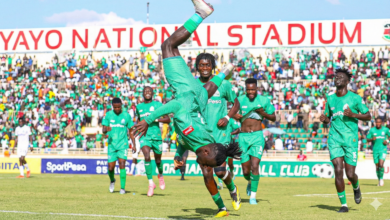
Just when anticipation had reached a fever pitch, the Kenyan football fraternity was dealt a familiar, frustrating blow. On the very day the FKF Premier League was scheduled to kick off, the Football Kenya Federation (FKF) abruptly pulled the plug, plunging the top-flight into uncertainty and leaving clubs counting their losses.
In a brief communication sent out to stakeholders, the federation announced:
“We regret to inform all participating clubs and partners that the league kick-off has been postponed until further notice. We will provide a comprehensive statement with regard to the details surrounding the postponement. Kindly accept our sincerest apologies for any inconvenience caused.”
While the federation’s statement was brief, the financial and sporting ramifications of this 11th-hour delay are vast. As highlighted by local media and pundits, including a spot-on summary by Nation Sports of the ongoing “stalemate” the postponement is a massive blow to the ecosystem that keeps Kenyan football alive: the players, the coaches, the fans, and the corporate partners.
Here is what this sudden suspension means for the business and operations of the Kenyan top flight.
1. Massive Financial Hits for Clubs
In football, Match Day 1 is the culmination of weeks of expensive pre-season preparations. Clubs have spent millions of shillings on recruitment, training camps, and logistics. For teams that were scheduled to play away from home on the opening weekend, travel arrangements, hotel bookings, and allowances had already been paid out. This postponement means sunk costs for clubs that are already operating on shoestring budgets, with no immediate matchday revenue (gate collections) to offset the expenditure.
2. A Headache for Broadcasters and Sponsors
For a league trying to rebuild its commercial viability, predictability is currency. Broadcast partners allocate premium airtime and deploy expensive production crews well in advance. An indefinite postponement throws scheduling into chaos, leaving broadcasters scrambling to fill empty slots and pacify advertisers who had bought into the opening weekend’s hype. For corporate sponsors attached to individual clubs, the delay means a pause on visibility and return on investment (ROI). Frequent administrative stalemates make it incredibly difficult to package and sell the FKF Premier League to future investors.
3. Disrupted Conditioning and Player Morale
From a sporting perspective, pre-season is a science. Coaches have spent the last 6 to 8 weeks fine-tuning their squads so that players hit peak physical condition right on the opening weekend. An indefinite delay disrupts training periodization. Coaches are now forced to find ways to keep players match-fit without risking burnout or injuries in sterile friendly matches. Furthermore, for players who rely on match-winning bonuses to supplement their salaries, a delayed season directly impacts their livelihoods.
4. Fan Apathy and Brand Damage
Fans are the ultimate consumers of the football product. Excitement had been building, with supporters mobilizing to fill stadiums across the country. An abrupt cancellation on match day breeds disillusionment and apathy. Every time the league’s kickoff is marred by boardroom stalemates or administrative dysfunction, it chips away at the brand equity of the FKF-PL, making it harder to convince fans to spend their hard-earned money on tickets and merchandise when the games finally resume.
What Next?
While the exact nature of the “stalemate” behind the scenes remains heavily guarded pending FKF’s comprehensive statement, it highlights an ongoing vulnerability in Kenyan football administration. Whether it is a dispute over broadcast rights, referee payments, or compliance issues, the stakeholders bearing the actual cost of this impasse are the ones on the ground.
For the sake of the players whose careers are ticking away, and the investors who continue to bet on local talent, the federation must resolve this gridlock swiftly. Kenyan football cannot afford to remain in the waiting room.